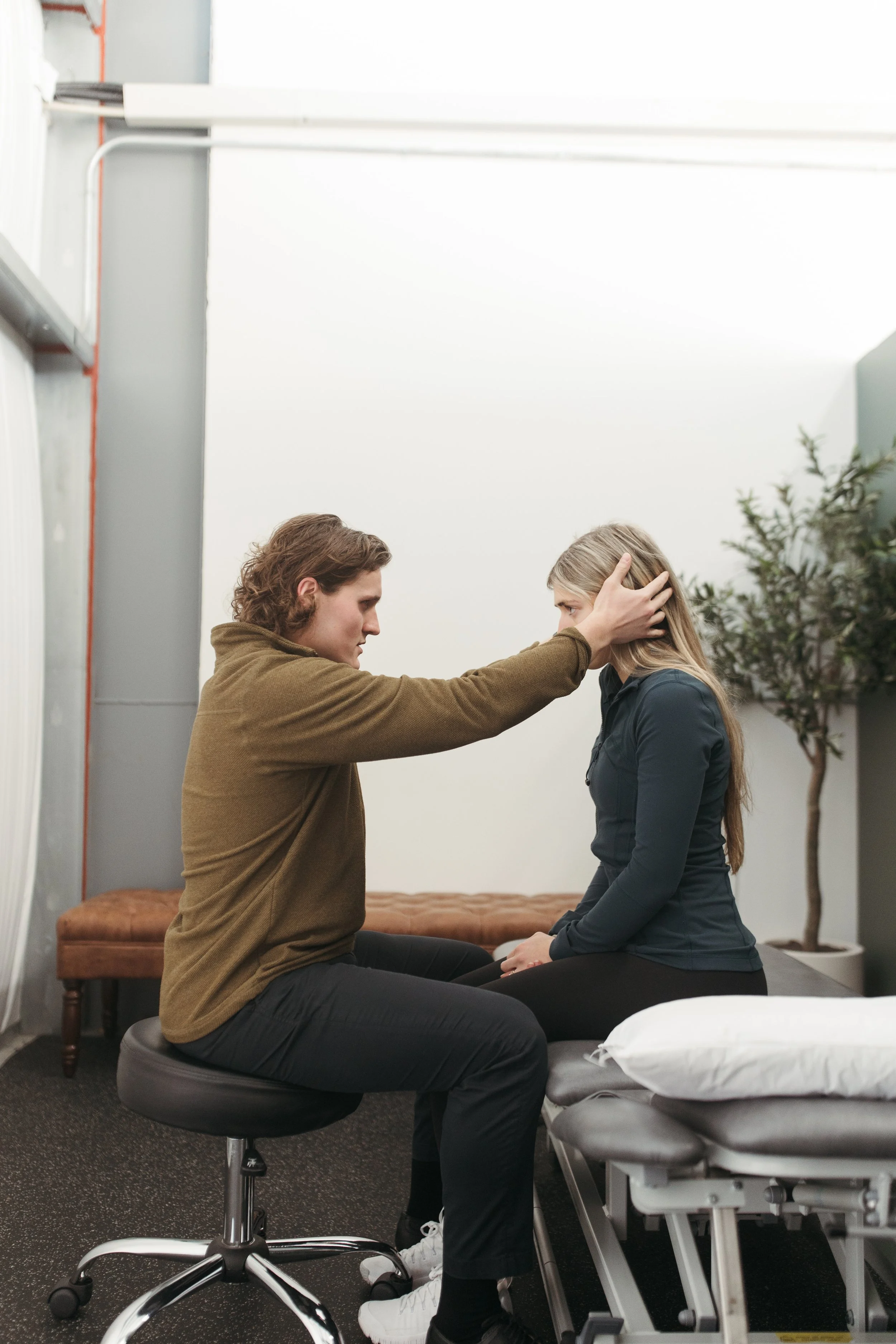
Vestibular & Concussion Rehabilitation in McMinnville
Restore clarity. Return to what matters.
Dizziness, vertigo, and concussion symptoms can affect how you move, work, and live. We provide individualized, evidence-informed care to help you progress safely and confidently.
What We Help With
Concussion & post-concussion symptoms
Dizziness & vertigo (including positional vertigo/BPPV)
Balance and coordination challenges
Neck-related dizziness
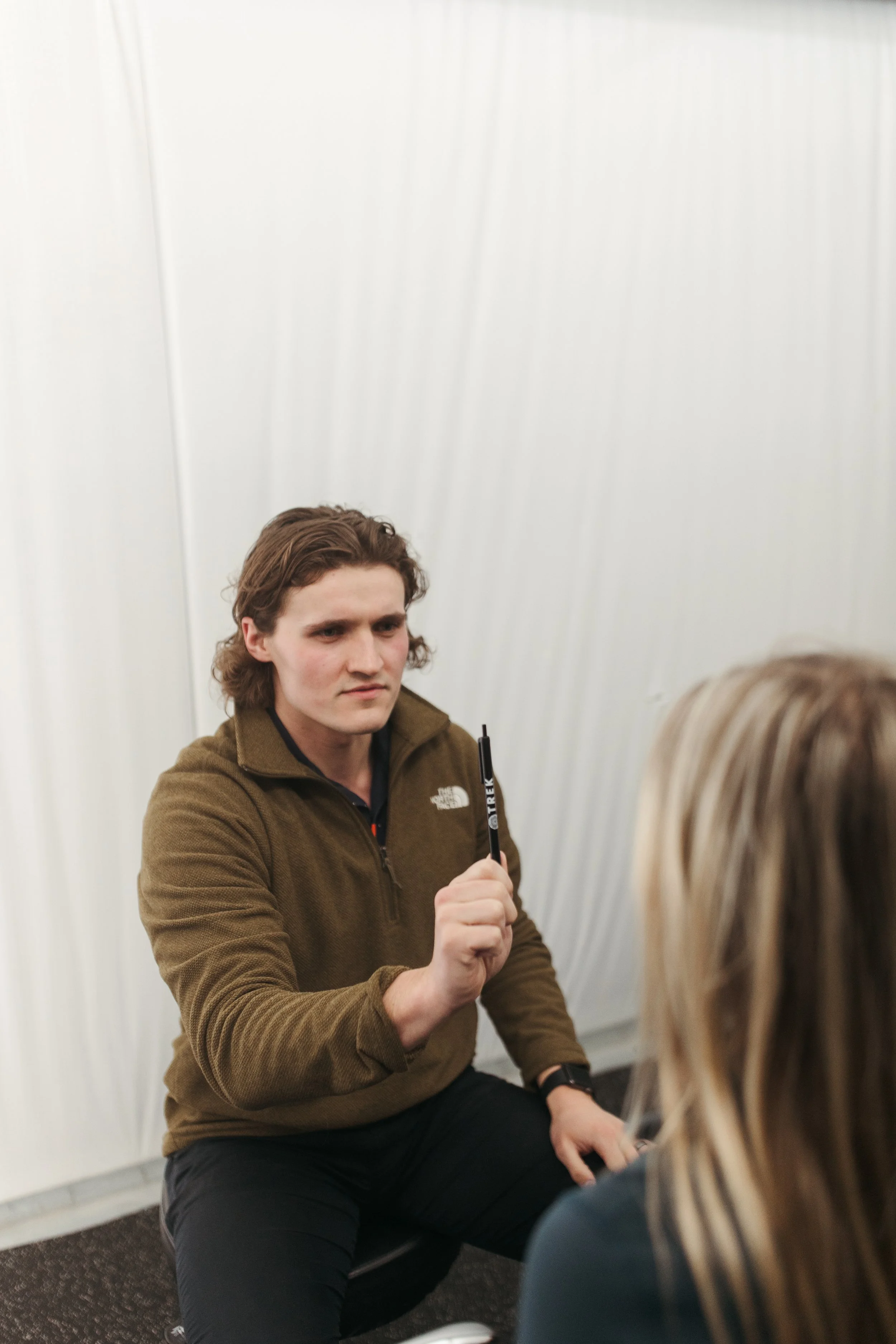
Visual/oculomotor issues (focus, tracking, motion sensitivity)
Return to sport, work, or daily activity
How We Approach Care
Every plan starts with a one-on-one evaluation and is built around your goals and response to treatment.
We may include:
Cervical rehabilitation (neck mobility, strength, control)
Vestibular rehab (balance, gaze stability, motion tolerance)
Oculomotor / vision-based training
Sub-threshold aerobic exercise
Canalith repositioning maneuvers (e.g. for BPPV)
Activity- or sport-specific progressions
Frequently Asked Questions
Still have questions? Please call our office and we can help answer your questions and determine next steps.
-
If you’re experiencing dizziness, vertigo, balance difficulties, or motion sensitivity, an evaluation by a qualified provider can help determine whether the vestibular system may be contributing to your symptoms.
-
Dizziness is a general term that can include lightheadedness or imbalance. Vertigo typically refers to a perception of spinning or movement, often associated with the inner ear or vestibular system.
-
Vestibular rehabilitation is commonly used in the management of certain causes of vertigo and balance disorders. The appropriateness and type of treatment depend on an individual evaluation and diagnosis.
-
Benign Paroxysmal Positional Vertigo (BPPV) is a condition involving the inner ear that can cause brief episodes of vertigo with position changes. It is often managed with canalith repositioning maneuvers, when appropriate based on clinical findings.
-
The timing of rehabilitation varies. Some individuals may benefit from early, guided care, particularly if symptoms persist. Recommendations should be based on your symptoms, medical history, and provider guidance.
-
Rehabilitation may include a combination of:
Cervical (neck) rehabilitation
Vestibular therapy (balance and gaze stability)
Oculomotor or vision-based exercises
Sub-threshold aerobic activity
Gradual return to sport, work, or daily activities
Interventions are selected based on individual presentation and response to care.
-
Recovery timelines vary widely. Factors such as the nature of the condition, symptom severity, overall health, and participation in care can influence progression.
-
Some individuals may experience temporary increases in symptoms as part of the rehabilitation process. Care should be adjusted based on your response to help support appropriate progression.
-
In some cases, light, monitored aerobic activity below a person’s symptom threshold may be appropriate. This should be determined and guided by a qualified provider.
-
You may consider an evaluation if:
Symptoms persist or interfere with daily activities
You are having difficulty returning to work, exercise, or sport
Symptoms are not improving as expected
You have concerns about balance, dizziness, or recovery
-
Your first visit is a one-on-one session with a Doctor of Physical Therapy focused on understanding you and your goals. It includes a detailed conversation about your symptoms and history, followed by a thorough movement assessment to identify the root cause of your issue. You’ll leave with a plan of care and, in most cases, begin treatment right away with guided exercises and practical next steps to start making progress.
This information is for educational purposes only and does not replace individualized medical advice. Recommendations should be based on a thorough evaluation by a qualified healthcare provider.
What to Expect
Recovery varies from person to person. We adjust your plan based on your response, helping you build capacity at a pace that fits your situation and goals.
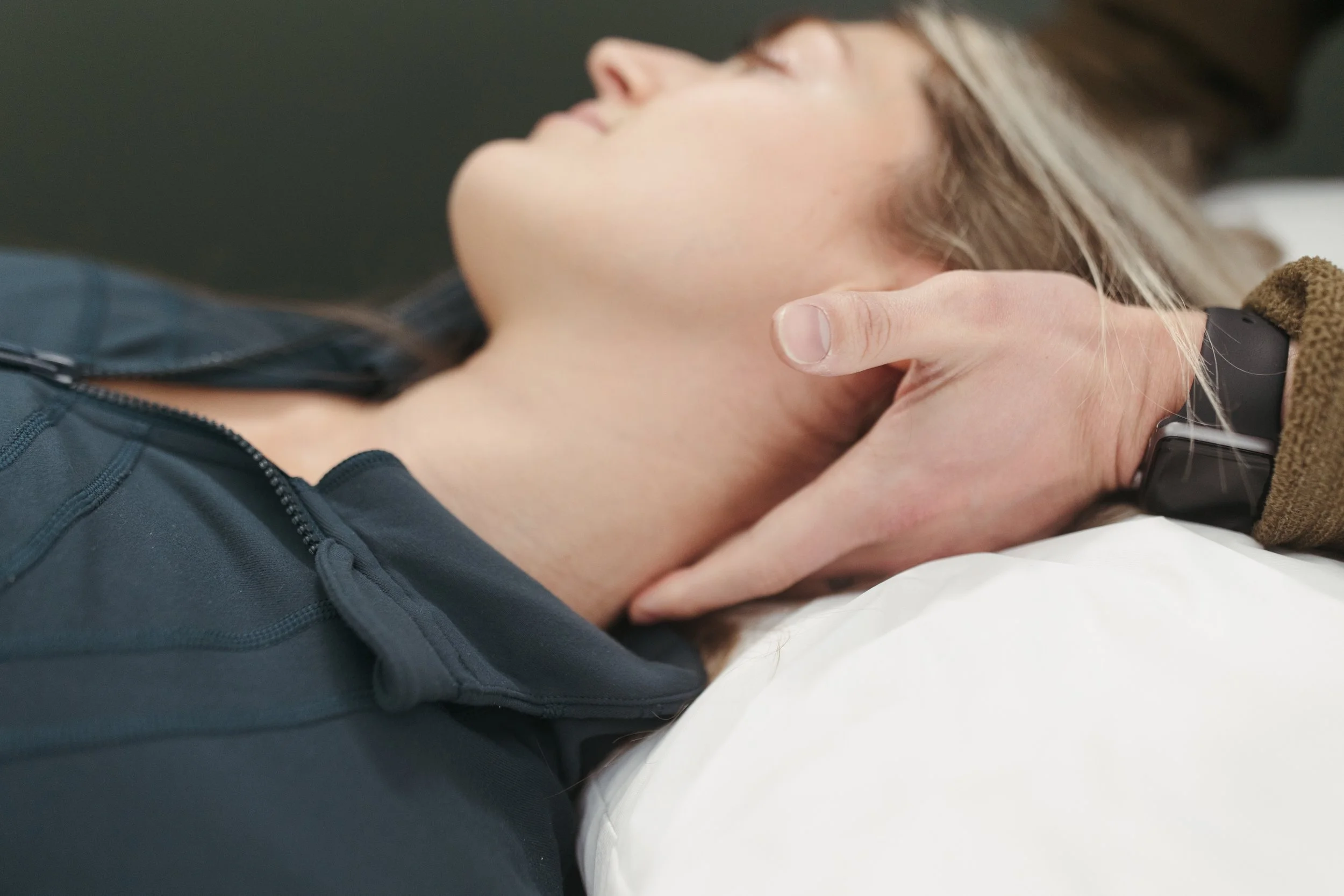
Individualized Care
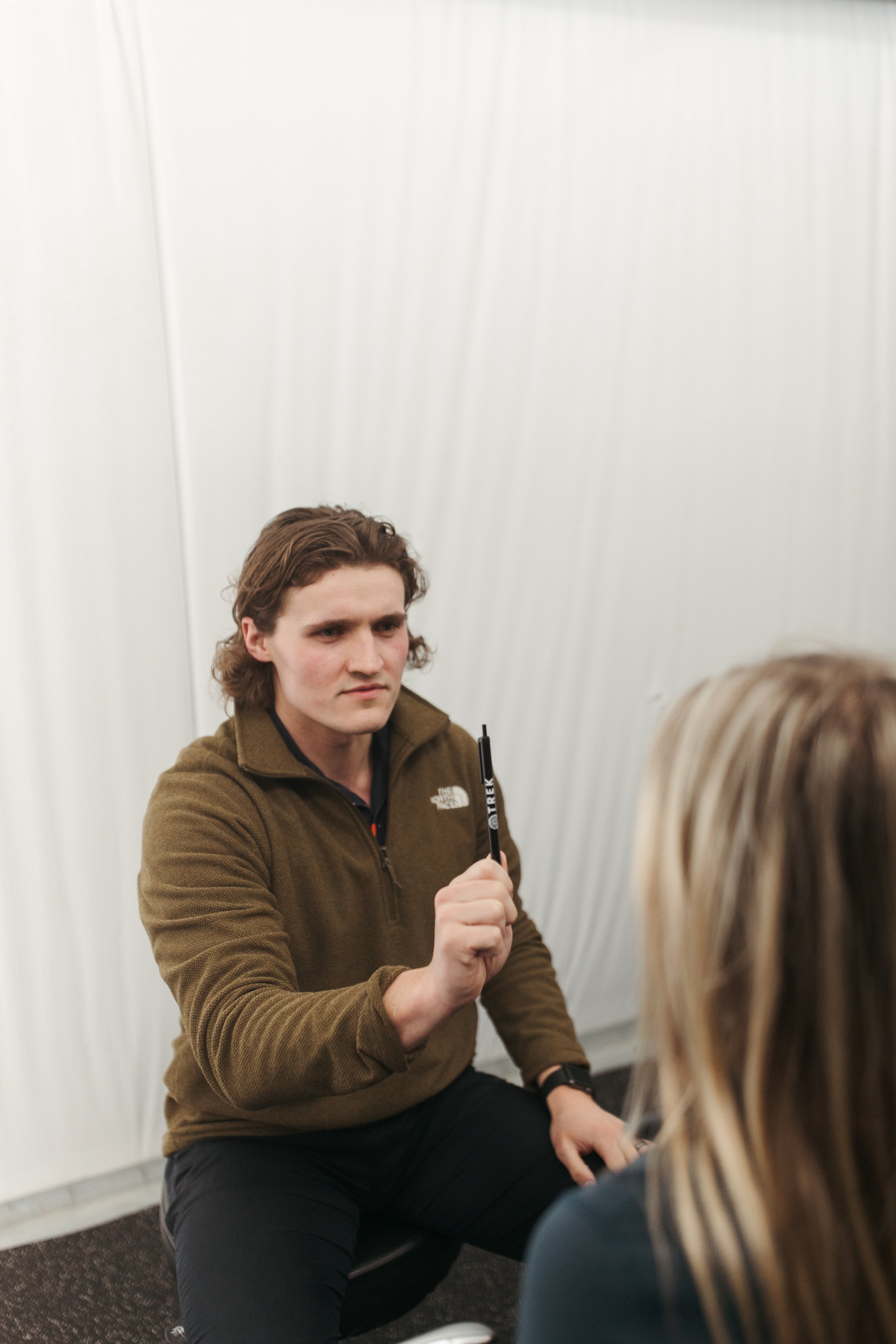
Clear Communication
Evidence-Informed Decision Making